Plants with Benefits

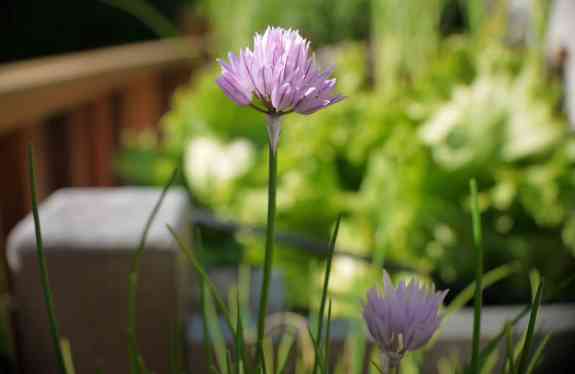
Chives

If only someone had told me there was a book that actually showed you how to grow plants together to get more food and fewer bugs.  If only someone had shown me a guide that thoroughly examines relationships between different veggies, explaining in alphabetical detail which one likes that one and which won’t give the other the time of day (or sun or shade or nitrogen).  If only…oh wait—someone did!  Our friendly neighborhood bookseller knows I’m both a food person and a person-who-grows-food-person and keeps an eye out for texts on related topics.  When I mentioned something about crops I’d been attempting to get into trouble, I mean, dirt, he said the magic words: “Do you know Carrots Love Tomatoes?”

I do now!!!

For those of you who haven’t already devoured it*, Louise Riotte’s classic guide to the “secrets of companion planting for successful gardening” made my day (and hopeful my future harvests).  Since I began expanding our backyard homestead with more planters in many styles, I also created a larger universe of possible polycultures.  As recommended by many organic gardening experts, I already eschewed bland, bug-attracting rows of similar stuff and instead interwove species in varying ways.  Until I read Ms. Riotte’s nifty primer, though, I’d relied on instinct to select the combos–not exactly the scientific method but not to be entirely pooh-poohed either.  As it turns out, some of my unwitting pairings worked well (cabbages and onions), others, such as pod peas and scallions, not so much.

Furthermore, it’s not only about what you plant but how often and where.  Many gardeners know that plunking down the same thing in the same spot year after year doesn’t work or, if it works, only to the degree that you have to add copious artificial inputs or endure smaller yields.  Crop rotation isn’t merely for capital “f” Farmers, it’s useful for backyard, small “f”-style growers, too.  Plus, it’s not enough just to consider your broccoli’s Facebook history–you also have to think it forward.  Veggies leave nutrient trails in the soil and both the insects and diseases that prey on them may leave shortcuts to next year’s menu as well.  You can mitigate some of these predations by thoughtful planning from season to season, year to year.

I’d like to say that all this explains my disastrous outcomes last summer–non-existent tomatoes and wizened cucumber– but sheer ineptitude cannot be ruled out.  Not only did those poor wannabe dinners succumb to stagnant air, over-watering, under-fertilizing and other forms of neglect, now I realize I did nothing to promote their social life either.  Plants don’t just want me to talk to them anymore, they’d like to hang out with their own veggie friends.

Seen any good carrots lately?
 

YoungTomatoPlant


* Not bad with a little hot sauce.


Further reading:

“Bob’s Basics: Companion Planting” by Bob Flowerdew; Skyhorse Publishing; New York, NY;  2012.


Copyright 2013, Lori Fontanes

At Last

Waiting

Now she can feed me.


Copyright 2013, Lori Fontanes

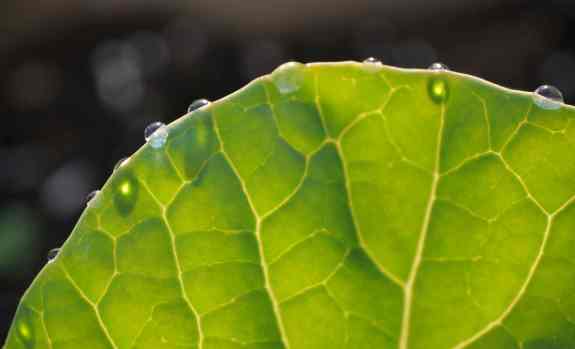
I Dew

Droplets

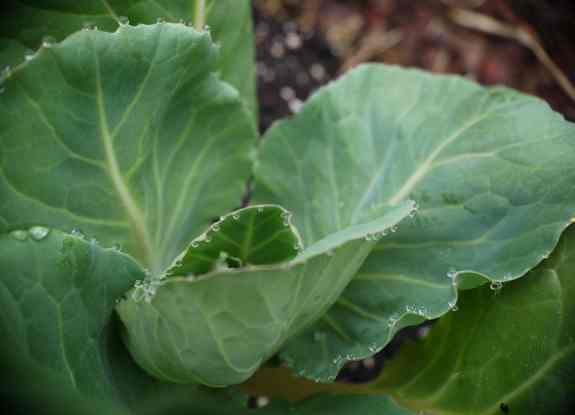
BabyCollardGreen

PurpleCabbage

GreenCabbage

Copyright 2013, Lori Fontanes
Progress

One

Two

Sparkly

Copyright 2013, Lori Fontanes
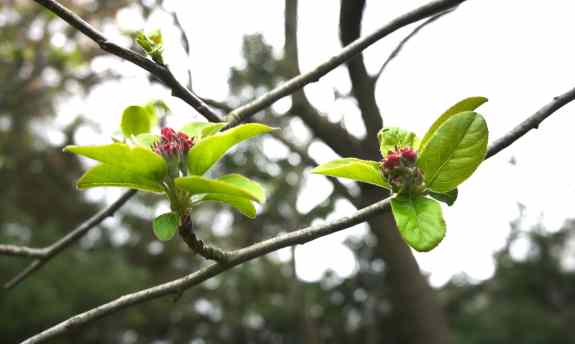
Sprung

CherryBlossomed

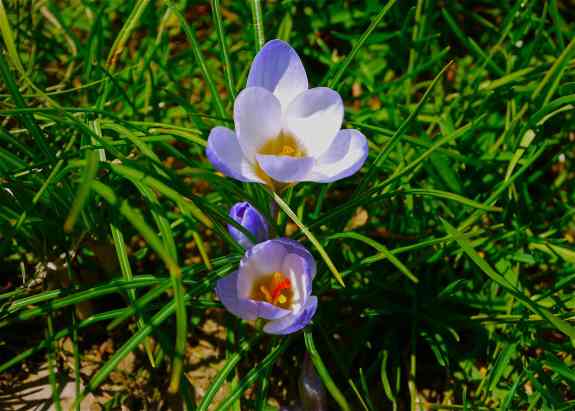
CrocusTrio

Crabby

Spring & her flowers: gone, but not forgotten.  Summer: (already) here.


Copyright 2013, Lori Fontanes
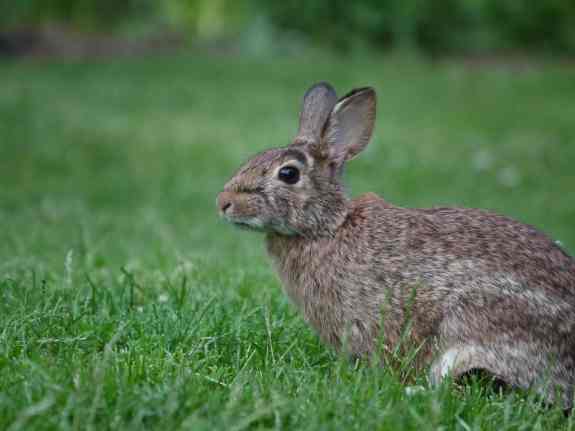
Most Wanted

BunnyAlert

Name: Peter M. Cottontail

Aliases: Bugs, Easter, Thumper

Eyes: Big and brown

Hair: Silky

Height: Shorter than a duck

Weight: Heavy enough to break a sapling pear in half.

Last Seen: Hopping south on lawn

Use caution.  Suspect has teeth and will use them (well, if you’re leafy).  Take no chances!  Deploy fencing; elevate edibles.  Scolding is not, I repeat, *not* effective.

Note: If your name is E. Fudd, consider Acme Wabbit Away.  Results not guaranteed.


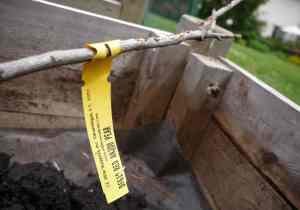
PearStick

The stick formerly known as a red Anjou pear tree.


Copyright 2013, Lori Fontanes
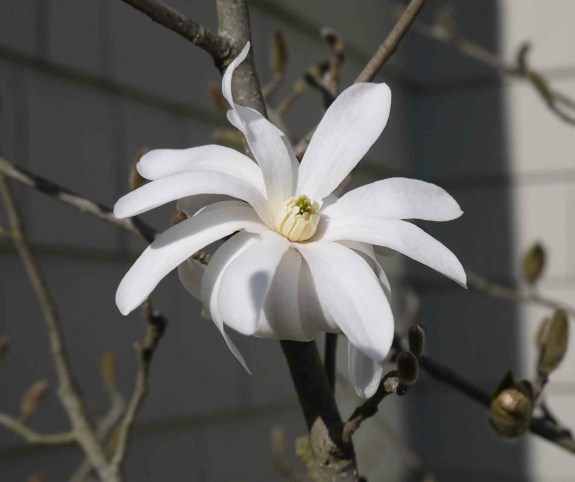
Hope Springs

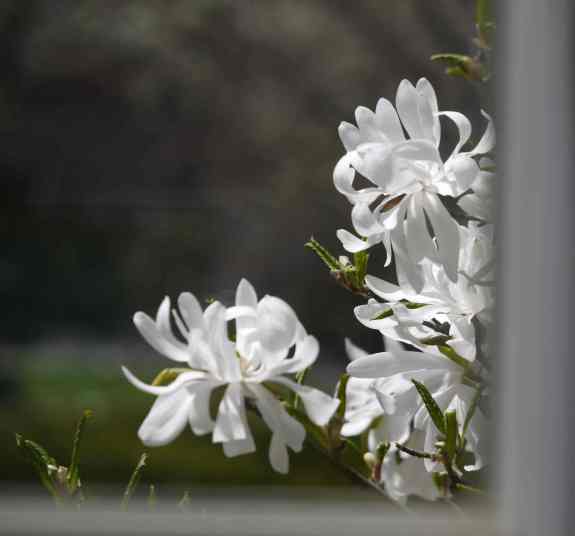
WhMagBud2In every flower, eternity.


Copyright 2013, Lori Fontanes
Holy Macro!

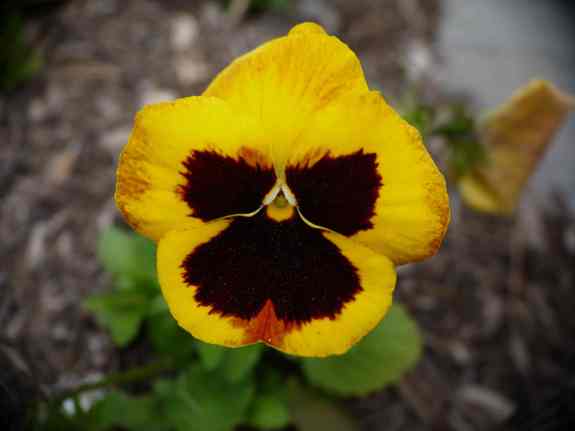
VioletCU

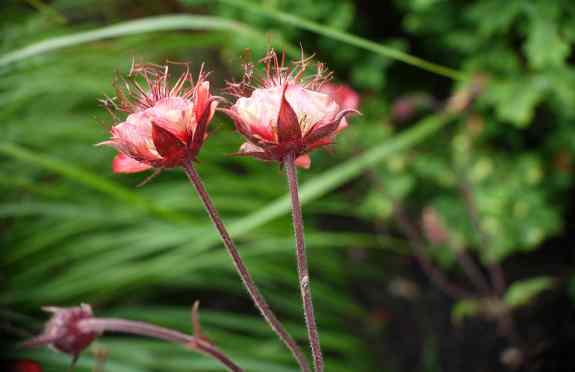
CrownCU

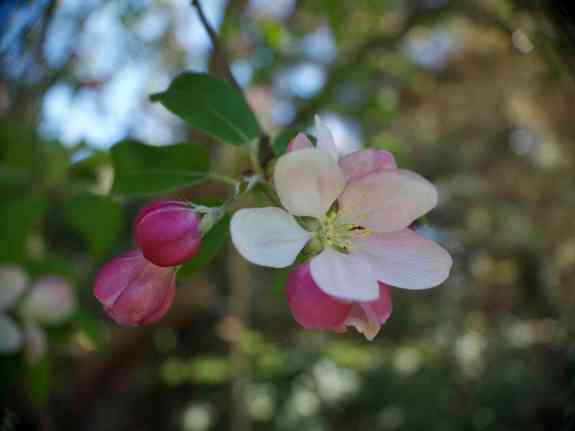
CrabACU

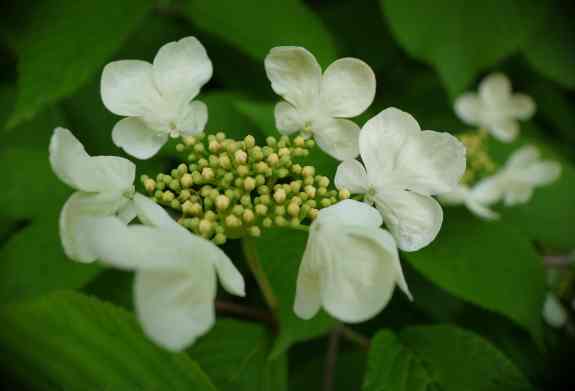
AzaleaCU

Can you tell I got me a nifty new(ish) macro attachment for my Panasonic Lumix system?  So much fun for under a $100!
Copyright 2013, Lori Fontanes

Together

UnitedWe are with you, Oklahoma.


Copyright 2013, Lori Fontanes
Hay Now!

MushOnStraw

Have you heard the one about the hapless backyard farmer who forgot to re-read the instructions from an old article in the NY Times on straw bale gardening before she bought the veggies and now has to wait a week for the fertilizer to heat up before she can finish the job (due yesterday)?

No?  Well, let me tell ya about it!*

First of all, I can’t wait a week.  I’ve already put this off for more than a month, okay, almost two months when our spring clean-up team moved the bales from the duck pen to their new site covering up the patchy lawn under the old pumpkin, er, patch.**  As you may recall, we used the straw bales during the cold season as a windbreak.  The decaying matter is naturally warm (just sit on one—it’s real cozy!) and the ducks enjoyed poking through the straw for mushrooms and critters and what have you.  But after six months of rain, snow, nor’easters, etc., the bales were no longer their pristine harvest festival selves but had turned into heavy, sodden masses of near-mulch straw—perfect for gardening!

Now if you go by the Joel Karsten method as relayed by the NY Times, you will not do what I did/am doing.  The article says to water the top but, of course, we had already placed the even-more-decayed straw heaps on their sides and I didn’t want to attempt to turn them over again and risk total collapse.  So I’m watering the sides instead of the face and we’ll see how that goes (strike one!)

The article says to use three pounds of organic fertilizer over a period of a week (how do you weigh fertilizer anyway?) but I don’t have time for that so I used some extra Coast of Maine lobster mulch under a layer of potting soil and figure that’ll just have to do (strike two!)

Also, as I said, I Have No Time so I’m planting the baby veggies directly into the wrong side, a week early (or six months late) with one installment of fertilizer (and a dollar short!) and taking my sorry chances.  (Strike three!!!)

The things I do for science.

Anyway, it’s important to remember that I did not initially set out to plant cauliflower in my cast-off Halloween decoration-turned-duck-heater system.  If I had purchased the straw bales for eventual food use I would probably have paid a bit more attention to the provenance of the bales (i.e where did they come from and have they been sprayed with anything nasty?)  So even though I’m going to grow lots of beautiful, edible stuff in this straw, I may not, in the end, actually get to eat any of it.

Guess I’m just a sucker for a pile of free mulch.***


DucksStraw


*Resistance is fertile.  I mean, futile.
**Ah ha!  Now I get it!
***When life gives you manure, make veggies!


Copyright 2013, Lori Fontanes
Making Faces

HelloYellowFierce.

NaaahNaaahStick out your tongue…

ShyBabyCoquette.

SunWorshipperSun-worshipper.

Copyright 2013, Lori Fontanes

Almost

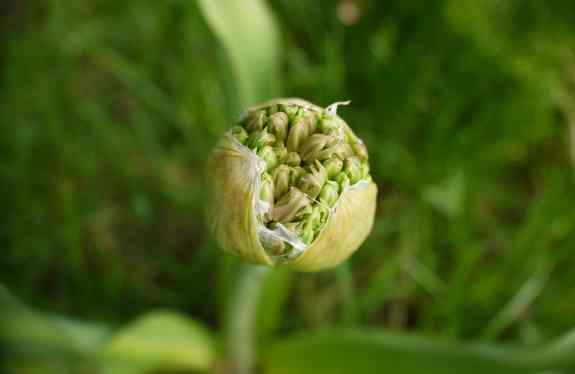
Allium2

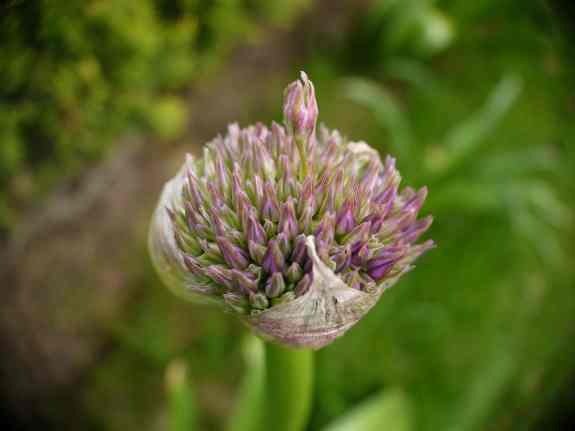
AlliumS

Allium3

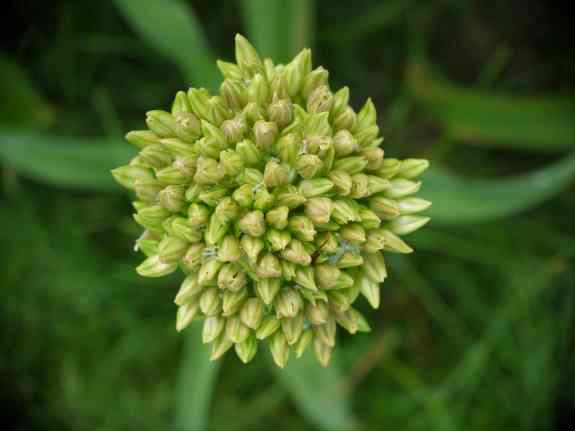
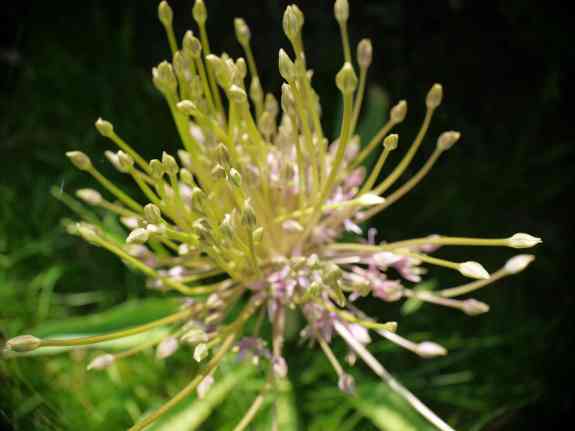
Top & bottom: Allium Globemaster, will reach 36-40″ height.  Middle: Allium schubertii, a dazzling firework of a flower tops out at around 20″.  Next photos: full bloom?

See earlier posts here and here for work-in-progresss.


Copyright 2013, Lori Fontanes
Home Sweet Habitat

HomeSweetHabitat

Yes, it’s true.  We’re certifiable.*  Certifiably nutz about nature, that is!   And since we’ve been providing food/water/shelter for Bambi’s friends all these years, I finally took the long overdue step of getting our home officially certified critter-friendly.  You can, too!  It’s easy and fun and the fauna will love ya for it.  Just go to the National Wildlife Federation website for rules and sign- up.  The birds will thank you.  The bees will thank you.  And we here at What the Ducks! will thank you, too.


LilacBloom


*Was there any doubt? 😀


More on habitat & wildlife:

International Migratory Bird Day’s “Finding Solutions to Habitat Loss”
http://www.fws.gov/birds/documents/HabitatLoss.pdf

“Just Wild About Suburbia”, Chris Baines, The Telegraph, 10/28/2000
http://www.telegraph.co.uk/gardening/4792215/Just-wild-about-suburbia.html


Copyright 2013, Lori Fontanes

Small is Beautiful

CrocusCU

Copyright 2013, Lori Fontanes

You Scream, I Scream

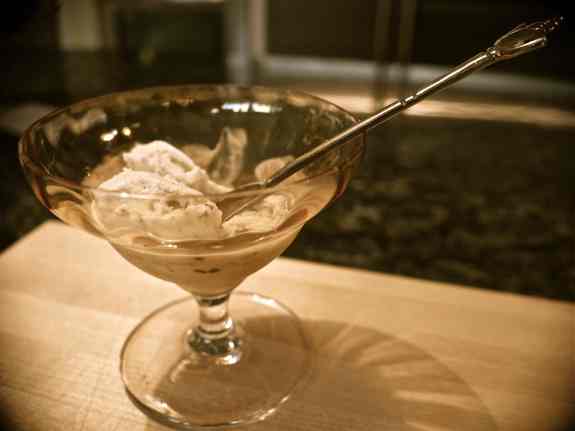
IceCreamToo

Ingredients in (vanilla) ice cream when Mom makes it:

Whole milk

Heavy cream

Sugar

Vanilla extract

Ingredients in packaged ice-creamish product when same Mom breaks down & gives into media-inspired, culturally-influenced whining child:

Milk

Cream

Sugar

Corn syrup

Skim milk

Whey

Buttermilk

Cookies pieces: enriched wheat flour (wheat flour, niacin, reduced iron, thiamine mononitrate, riboflavin, folic acid), sugar, palm oil, cocoa processed with alkali

High fructose corn syrup, caramel color, chocolate liquor, salt, leavenings (sodium bicarbonate, monocalcium phosphate, ammonium bicarbonate), corn starch, soy lecithin.

Mono & diglycerides

Carob bean gum

Cellulose gum

Carrageenan

Vanilla extract

Artificial flavors

Vitamin A palmitate

White coating: coconut oil, sugar, nonfat milk powder, whey, soybean oil, partially hydrogenated coconut oil, soy lecithin, titanium dioxide for color, vanillin

Cookie crumb topping: bleached wheat flour, sugar, vegetable oil (canola oil and hydrogenated cottonseed oil with citric acid as a preservative), cocoa processed with alkali, caramel color, corn syrup, chocolate liquor, salt, baking soda, corn starch, soy lecithin, artificial flavor.

Chocolate flavored-coating: coconut oil, sugar, cocoa, chocolate liquor, why, whole milk, powder, cocoa butter, soybean oil, cocoa processed with alkali, soy lecithin, salt, vanillin

Cone: Bleached wheat flour, sugar, molasses, partially hydrogenated vegetable oil (soybean and/or cottonseed) with mono & diglycerides, salt, soy lecithin, caramel color.

Phew!

Boy, it is tough being a mom in this century!*  You need degrees in chemistry, economics, political science, and nutrition just to read the wrapper on a food-related snack item.**

Sigh.

Well, better get off the keyboard and into the kitchen because you know what they say:

Life’s too short not to eat better dessert!***


Spoon1


*I’m sure George Washington’s mother did not have these issues.

**Don’t forget the reading glasses!

***Or is that just me?


PS, Happy Mother’s Day! 😉


Further reading:

Pandora’s Lunchbox: How Processed Food Took Over the American Meal; Melanie Warner;Scribner; New York, NY; 2013.

Salt, Sugar, Fat: How the Food Giants Hooked Us; Michael Moss; Random House; New York, NY; 2013.


Copyright 2013, Lori Fontanes
Cattitude

FrankieFace

Talk to the whiskers.

LuluFace

Do I look happy?

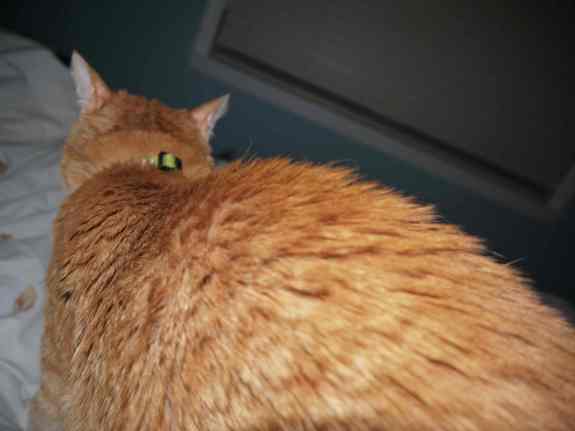
FrankieBack

Splittin’.

LuluXCU

No photos!


Copyright 2013, Lori Fontanes

Peachy

PeachBlossom

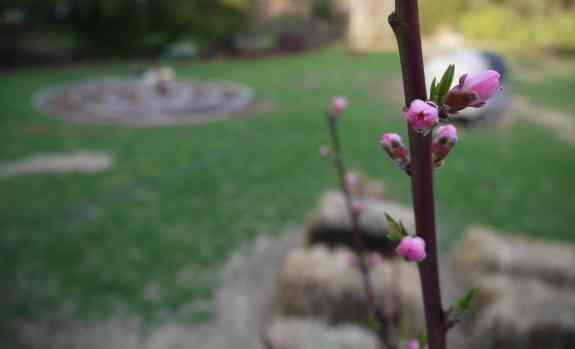
Peach Melba, peaches and cream, peach cobbler, peach tart, plain eatin’ peaches, peaches drizzled with balsamic vinegar dotted with fresh purple basil….hmm.

Too much to ask of one little peach tree?


Copyright 2013, Lori Fontanes

Camouflage

CamoDuck

Anyone seen Gladys?


Copyright 2013, Lori Fontanes

Hey You

HeyThere

At the computer…won’t you come out & play?


Copyright 2013, Lori Fontanes

Parts of a Duck
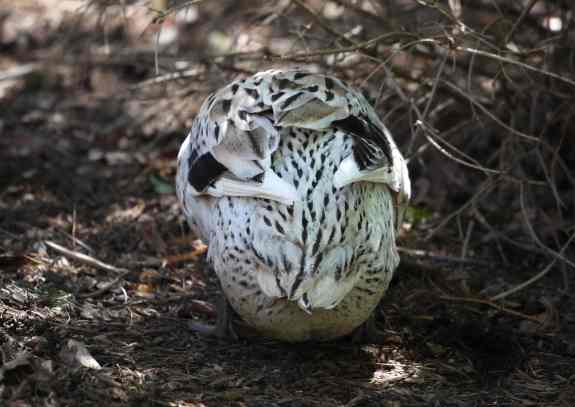
Top

Front part.

Bottom

Back part.


Copyright 2013, Lori Fontanes