Quaker State of Mind

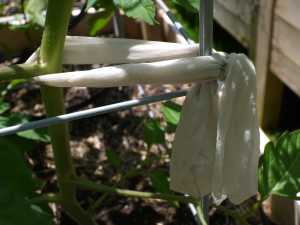
SepiaTomatoesI tied a bunch of nylon stockings to my tomatoes and I think Benjamin Franklin would be proud.

No, no, this has *nothing* to do with the time he spent in Paris and everything to do with the time he spent in Philly.  On science. Specifically,  electrical science, i.e. lightning storms.  While I myself won’t go anywhere near actual lightning (see earlier scaredy cat post here), I read something recently about it’s baby brother, static electricity, that inspired me to wield old hosiery in new, hopefully fruitful, ways.

In her handy guide “Carrots Love Tomatoes: Secrets of Companion Planting for Successful Gardening”, Louise Riotte included some veggie gardening lore that goes beyond simple crop rotation.  The chapter on soil improvement, for example, contains Riotte’s description of the fertilizing contributions of rain and lightning.  “Each time lightning strikes the earth,” she explained, “large amounts of nitrogen are charged into the ground.”

Of course, no one wants to attract real lightning (yikes!) but you can take advantage of ordinary static electricity, she suggested, by tying tomato plants to metal trellises using strips of nylon hosiery.  Since our tomato cages (like most) happen to be metal and since I haven’t worn that old pantyhose since Y2K, our soon-to-be fruiting vines were in luck.  Have no clue whether the plants will truly benefit but now we have a scientific explanation for why I hate itchy leg coverings so much.

Wait!  I’ve got an idea!  How about an energy grid charged with the voluntary electrocultural power of free-range cats wearing little pairs of pantyhose?

Just a suggestion.


TomatoHose


Further reading:

Franklin Institute (they’ve got Ben’s original lightning rod in their collection!)

https://www.fi.edu/history-lightning-rod


Copyright 2014, Lori Fontanes

We Hold These Truths To Be Self-Evident


That all men are created equal, that they are endowed by their Creator with certain unalienable Rights, that among these are Life, Liberty and the pursuit of Happiness.

–The Declaration of Independence, July 4, 1776


Photos copyright 2013-14, Lori Fontanes


In Clover

GladysCloverCopyright 2014, Lori Fontanes

Oh, Canada!

BunnyLunching

We’ve used so many bags of Canadian potting soil over the years I’m afraid Ottawa might try to open an embassy in my backyard.

Might also explain why the geese have been circling.

Ever since I decided to rip out much of the lawn and attempt something more useful, our suburban home has become a popular destination for local wildlife.  (All of it.)  You see, traditional lawns are really a monoculture supporting only one crop, grass.  But if you grow more than Just Grass, you can create a durable polyculture hosting all kinds of animals, plants, micro-organisms and lots and lots of bugs.

Yum!

Plus, it’s pretty easy (and cheap!) to maintain a beautiful lawn of grasses, clovers, various wildflowers and a motley selection of what Big Chem calls weeds. About half of my backyard is still grass-centered but every growing season, I chip away at that percentage a few more points. Since paving over is *not* an option (or a pool–sorry, guys!), we here at What the Ducks! chose to grow other things instead. What sort of things?  Hmm, how about anything and everything?!

Freed from the concept of grass domination, it turns out you can do all kinds of tasty. Which brings me back to that whole “Canada in a bag” concept. After we add each new raised bed or kitchen planter, we fill it with biome-friendly materials. And we’ve had really good luck with an organic brand our local nursery sells which just happens to be made (dug? grown? bagged?) in Canada.

So, yeah, I guess we do have a little bit of Canada out back.

Please don’t tell the geese.


Further eating, er, reading:

From National Geographic: U.N. Urges Eating Insects; 8 Popular Bugs to Try

http://news.nationalgeographic.com/news/2013/13/130514-edible-insects-entomophagy-science-food-bugs-beetles/


Copyright 2014, Lori Fontanes

Missing Something?

SwanNH

PigeonNH

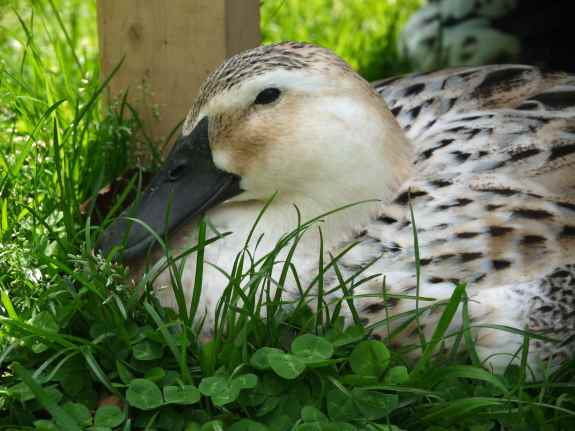
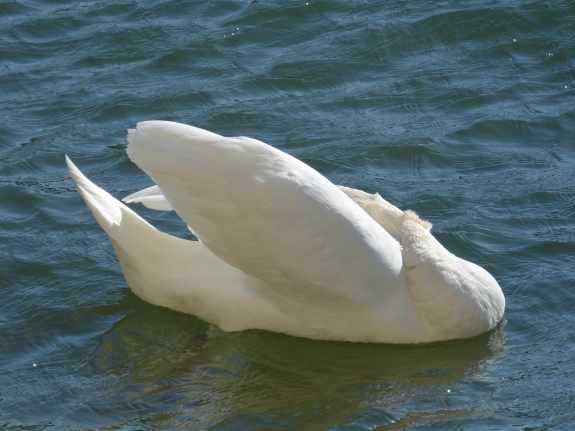
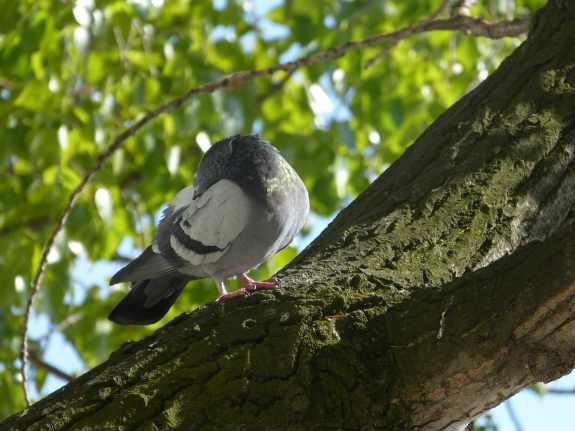
DuckNHJust thinking about Sleepy Hollow.  Coming again soon(ish)!!!

Copyright 2014, Lori Fontanes
Chive Talkin’

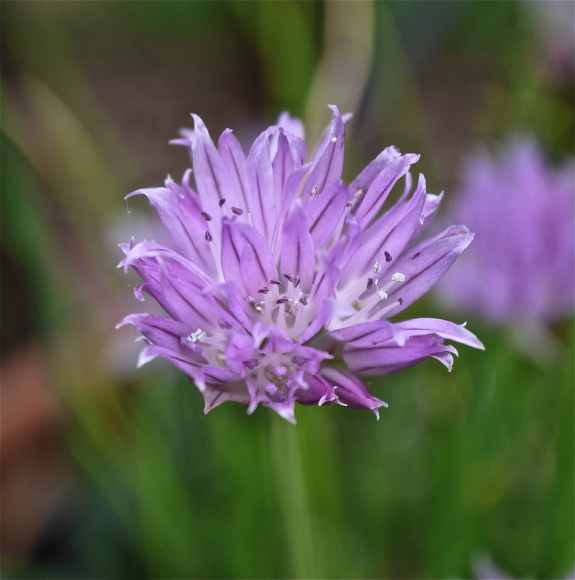
ChiveB2Yes, it’s my fault you can’t get that Bee Gees* song out of your head today.

And by the way, have you ever eaten a chive blossom? Did you know you can eat chive blossoms? I didn’t even think to think the flowers were edible** back when I first started growing my own chives.  For years I’ve been letting those purply packages of flavor sensation go to seed. Or to squirrels.

What a waste of a tasty!

Last month, for some strange reason, I looked at the floral firecrackers and thought, wonder if I can eat them?  Then I remembered reading something about putting the buds into butter. Hmm, which blogger said that? And if they did say that, does that mean you can eat them?

So I guess the chives were talkin’ after all.  They said, “Eat me!”


ChiveVinegarLS

Chive vinegar in process


*Ancient pop song from pre-Interwebz dayz.

**I’m an extremely cautious eater–not the foraging type.


Note: I used a Martha Stewart recipe.  Couldn’t find the original recipe for chive butter but another Word Press blogger, Words & Herbs, made this.


Copyright 2014, Lori Fontanes
Don’t Spray Me, Bro!

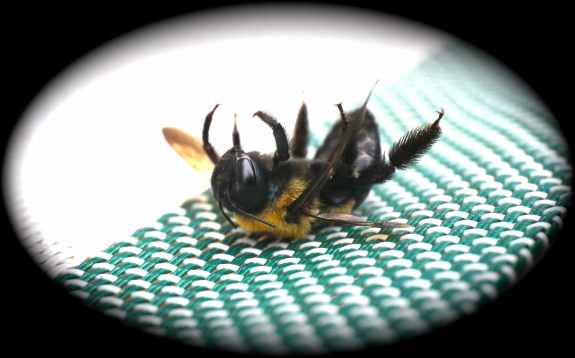
PoorBeeBe kind to bees.  Please.

Copyright 2014, Lori Fontanes

Hey, Lady(bug)!

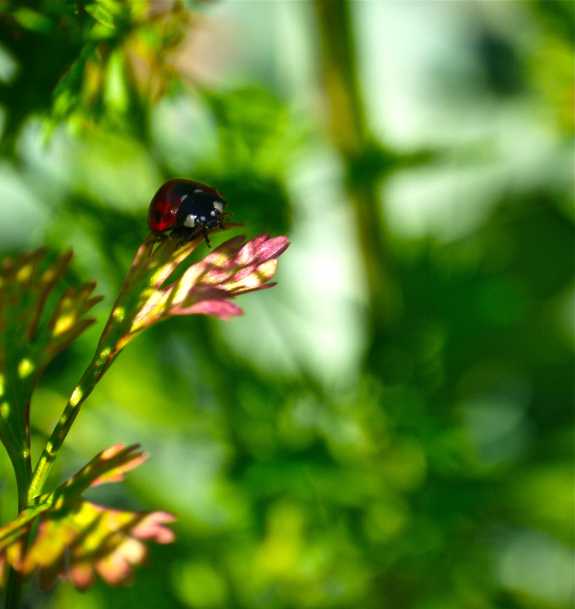
LadybeetleYou can lead a ladybug to an aphid-covered Rose of Sharon bush but you can’t make her eat.

Or stay.

Well, I guess I can’t complain.* Truth is, we host lots of ladybugs in our no-spray, critter-friendly, all-a-bug-can-eat-smorgasbord-style backyard. But they’re not in the right places! Okay, not the places I want them to be.

For example, the “girls” are all over this one peach tree which, amazingly enough, still has peaches.** Last week as we spent hours draping the fledgling fruit with poultry fencing, deer fencing and any other kind of varmint fencing we had handy, I noticed a ton of bugs along the branches. The good bugs: Coccinelladae of the order coleoptera, commonly called “lady bugs”. Not only that, these ladies were–how shall I put it?– having a good time. Yup, there were dozens and dozens of lady bugs and gentleman bugs and maybe even baby bugs but NOT ONE APHID.

What the bugs!

Had they eaten them all? Were they even there to begin with? Do the ladybird/beetles/bugs realize that a bitty bit away on our sad Honeycrisp treelet, the aphids had established a beachhead? (All too close to the finally-flowering peas, I might add!) Then there’s the aforementioned Rose of Sharon, which boasted (if that’s the right word) a BAZILLION aphids.

Give or take a zillion.

While it’s true I’ve seen one or two of the ladies on that besieged bush, it’s clear they were outmatched. Or stuffed. Or just resting between courses. I read somewhere that one beneficial insect can eat scores of less beneficial insects in short order but even at that rate, I would still need an army of lady bugs to merely handle this one wretched ornamental. Guess there’s only one thing to do.

Call in the cavalry! And make it snappy!!!


GetPeachy


*That won’t stop me, of course.

**Last year we started with a jillion, ended with none.


Further reading:

http://animals.nationalgeographic.com/animals/bugs/ladybug/

https://insects.tamu.edu/fieldguide/bimg158.html


Copyright 2014, Lori Fontanes

Magic Trick

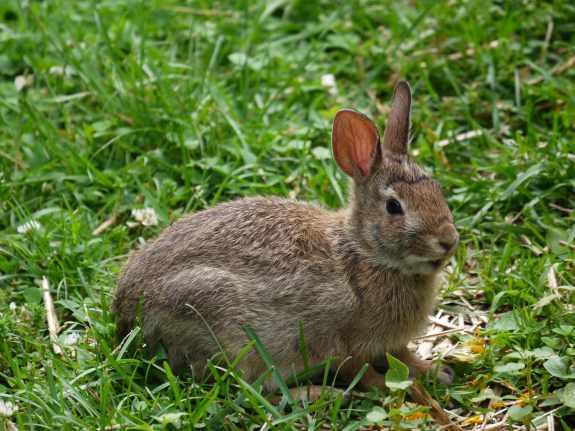
Bunny1Bet I can make a flower disappear…


Bunny2Watch closely…


GulpAlmost…


Bunny4What marigold?

Copyright 2014, Lori Fontanes

Brotherly Love

BrotherlyLoveLets his sister get the breeze *and* the view.

Copyright 2014, Lori Fontanes

Hello, Sun!

HelloSunBaby collard greens doing their morning stretches.

Copyright 2014, Lori Fontanes
Funny Pages

Pssst!  Hey, wanna read a great publication devoted to all our poultry pals?  Does it sweeten the deal if I mention Yours Truly* writes for them?

Woo-hoo!

Check out June/July ish of Backyard Poultry Magazine for info, advice & some of my funny.  Alas, you can’t read the article on-line this month…wait, it’s *not* (just) on-line.  It’s a *real* magazine. IN PRINT.  Tens of thousands of readers!  HOT DIGGETY DUCK!

😀 !

At newsstands and mailboxes now.

😀 !!!!!!!!


*Initials LF, in case you can’t guess.

Copyright 2014, Yours Truly (I mean) Lori Fontanes

What Does Your Garden Grow?

Team What the Ducks! also grows: ornamental corn, sunflower, tomatoes, potatoes, all kinds of allium, many herbs, carrot, eggplant, several members of the cabbage family, pumpkin, chard, beans and more beans.

Send me your lists!  Include town or country so we can see the diversity.  Thanks in advance!!!

Copyright 2014, Lori Fontanes
 

Dazzle

Copyright 2014, Lori Fontanes

Just Dandy

Why the ducks are we so tough on dandelions? I mean, yes, they’re hardy and prolific but, ya know, is it really something to get so worked up about? When we’ve got the problems we’ve got–and that’s just this morning!–what’s the big deal about a cheerful little plant? All right. So you don’t want them to take over the whole lawn. That’s fine. That’s reasonable. But you don’t have to annihilate the backyard biosphere to tackle some pesky so-called weeds. Here’s my three-step program for dandelion domination:

1) Don’t let them get out of control. (This is more difficult if your neighbors are not on the program. More difficult but not impossible.)

2) Use a Grandpa’s Weeder (or similar tool) as soon as you notice a yellow flower. In high season, you might want to take a walk every couple of days and hunt them out. It’s easy and fun. And you get away from the computer a teensy bit.

3) Repeat as needed until first frost.  (Southern states may need to keep going.)

Oh, and if you have a little kid in your household, you *need* to get to the flowers before they go to seed. Even big kids might have trouble resisting those fluffy  heads!*


*Yes, I mean me… 😉


Further reading:

Anita Sanchez, a fellow blogger, writes passionately about nature, including dandelions!


Copyright 2014, Lori Fontanes

Raindrops (Not On Roses)

Sedum1


Sedum2


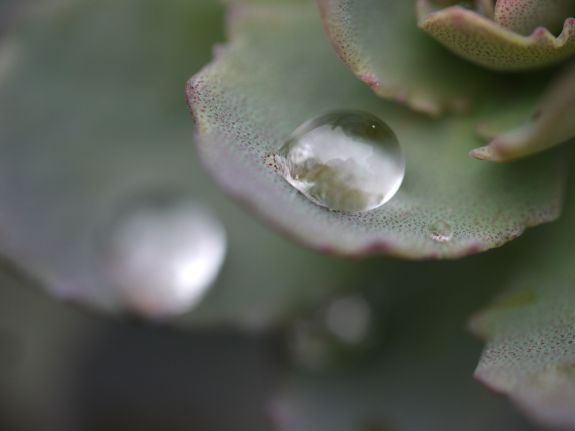
Sedum3Notice the pointillist color pattern on the sedum’s leaves. Not visible to the non-macro lensed eye.

Copyright 2014, Lori Fontanes

Gee Whiz

Discovered the geum perennial last year– strong color on such delicate stems!

Copyright 2014, Lori Fontanes

Come to Mama!

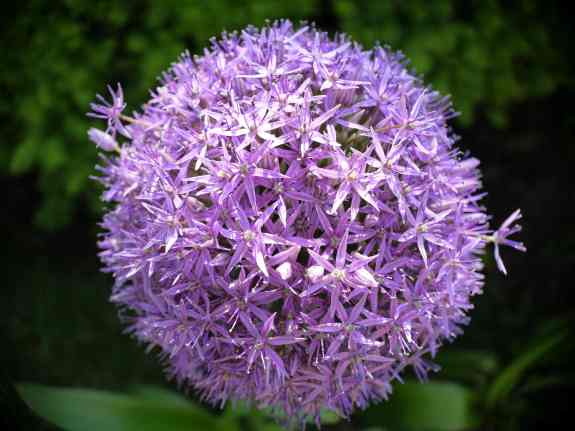
MamaLast year’s allium.  Not quite there yet this year.

Copyright 2014, Lori Fontanes

Good Mother Duck

EggsactlyI can barely watch but somehow can’t stop.

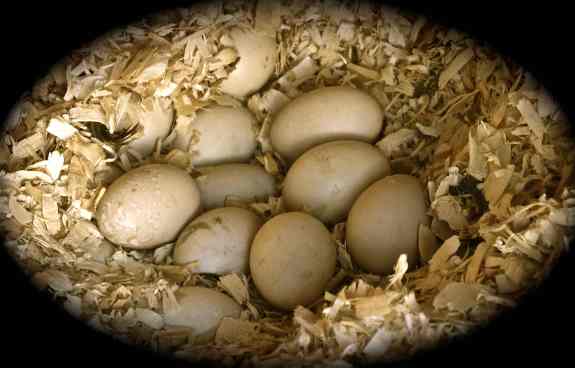
Earlier, a flash of black feathers caught my eye as I stood at the sink finishing up dishes. Alert to anything that happens in our yard, I get to witness Bonnie’s futile attack on the closed coop door. What the d–??? Oh, I get it: Her eggs are inside and she thinks she needs to sit on them. Which tells me two things–that’s where she’s been hiding them and, boy, I need to collect those eggs before it gets any hotter.

She’s not going to be happy.

Slipping on battered clogs, I race to the lawn, lower the coop door and, yup, she runs/flies up the ramp and circles an area where they must be stashed. The feisty Cayuga pokes at the pine shavings then gives me the hairy (downy?) eyeball. I tactfully retreat to the house.

Of course, I’m just biding my time.

Please understand that, as far as I know, there’s no way that ducklings will hatch from those ultra-pampered eggs. None of our four remaining ducks are drakes and–I’m not ruling this out but I have no evidence to the contrary–unless the girls have a secret mallard admirer*, all those eggs are unfertilized.

And Bonnie would make such a good mama!

Not all ducks are good brooder material. It’s a question of temperament; breeds and even individuals within breeds can be quite different. In fact, each of our girls boasts a distinct personality: Gladys is awkward and sweet; Puff, gentle and smart; Fannie, strong and capable; and Bonnie is, well, quite the handful. She’s vocal, fast, a good flyer, a high jumper and super bright–she’s the duck you’d want in your corner if (heaven forefend!) you have to face a raptor or raccoon.

In other words, the perfect mom.

Nonetheless, there’s no chance of ducklings in her immediate future and if I don’t retrieve those eggs soon either climate change or the squirrels** will make omelets out there. When she finally exits, I wait a few minutes then return with a wire basket to scoop out a baker’s dozen.

Now back to the truly heart-breaking part. I can barely type this remembering how I felt so bad about what I did, I even made myself watch the consequences. (I know, I know, they’re just packets of cholesterol but still!)*** Sure enough, after getting a little brekkie, Bonnie flits inside and stops short. She bills at the bedding and pokes a bit in the now empty nest. In her heart I know she’s already figured it out but makes a few feeble stabs anyway.

I have to stop looking before she turns around.

As I flee to the garage, I think I feel her watching me. I start calculating how I might order a few hatchlings and give them to her to raise. Then I think about how impossibly crazy this is and how my husband will freak out if I bring home any more ducks and as I go back to the kitchen window, I see Bonnie finally leave the coop.

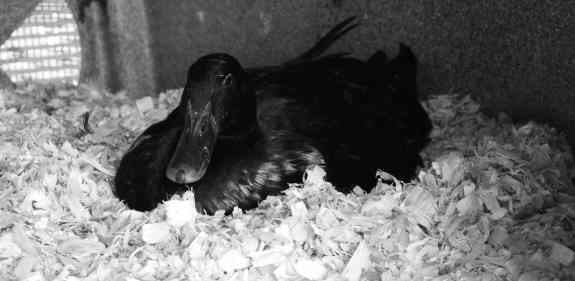
Later in the day while doing yard work, I feel someone’s gaze and look up to see Bonnie on a new nest snuggled between a few straw bales. It’s not very protected, unless you count the duck and I do count Bonnie. She’s openly glaring at me. Before I wither under her scrutiny, I see she’s already deposited a new egg. Ah! I make no moves but, of course, I know what I’ll eventually have to do.

She keeps a close eye as long as I’m outside.

I think she’s on to me.


BonnieMama


*Would explain the box of chocolates, however.
**Or both!
***Vegans don’t see it this way and that day I got it.


Copyright 2014, Lori Fontanes

Spring Sprang Sprung

PeachBranches

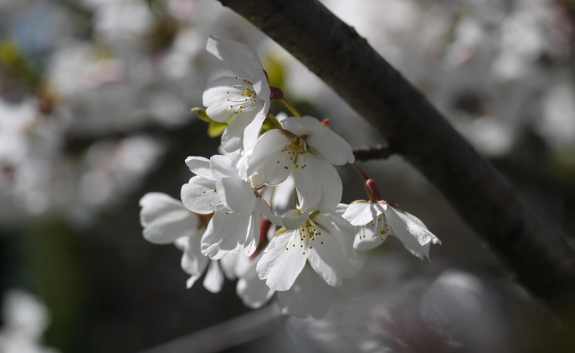
CherryBlossom

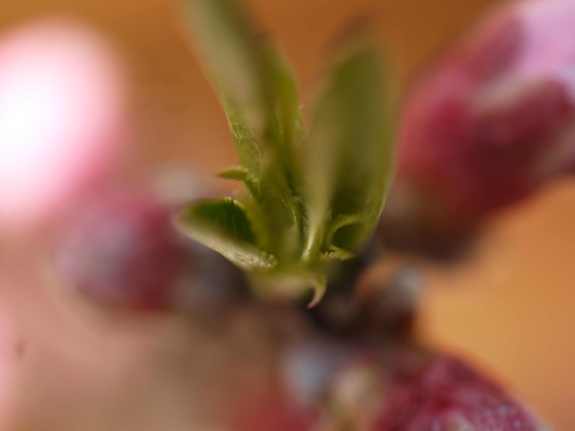
PeachBudsDo those fleeting blossoms know how lovely they are?  Probably not.  Spring is wasted on the sprung.

Copyright 2014, Lori Fontanes